

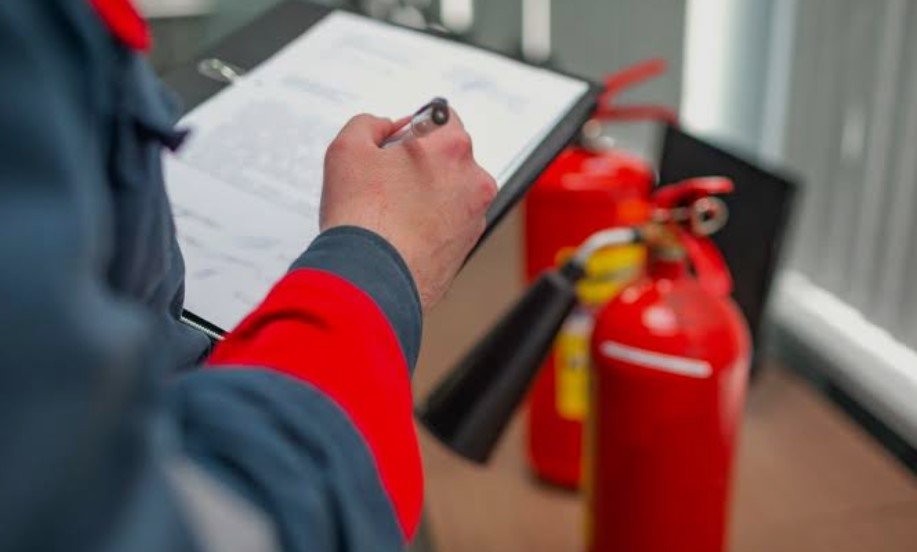
Fire safety is a critical responsibility for anyone managing or maintaining HUD properties. Among all safety equipment, fire extinguishers play a direct role in protecting lives, reducing property damage, and ensuring compliance with federal housing standards. Knowing How to Properly Inspect Fire Extinguishers in HUD Properties is not just about ticking a checklist—it’s about maintaining readiness for real emergencies while meeting HUD and local fire code requirements.
This guide provides a detailed, step-by-step explanation of inspection practices, documentation, and common mistakes to avoid, helping property managers, inspectors, and maintenance teams stay compliant and prepared.
Understanding HUD Fire Safety Requirements
HUD (U.S. Department of Housing and Urban Development) requires that properties under its programs meet specific health and safety standards. Fire extinguishers are a key part of these standards, particularly in multifamily housing, common areas, and mechanical rooms.
Why Fire Extinguisher Inspections Matter
-
They reduce risk to residents and staff
-
They help prevent small fires from becoming major incidents
-
They are required for HUD compliance and property audits
-
They demonstrate due diligence in property management
Failure to inspect or maintain fire extinguishers can result in citations, fines, failed inspections, or even loss of HUD funding.
Types of Fire Extinguishers Commonly Found in HUD Properties
Before inspections begin, it’s important to understand the types of extinguishers typically installed.
Common Fire Extinguisher Classes
-
Class A: Ordinary combustibles (paper, wood, cloth)
-
Class B: Flammable liquids (oil, gasoline)
-
Class C: Electrical fires
-
ABC Multi-Purpose: Most commonly used in HUD properties
Most HUD properties rely on ABC-rated extinguishers because they provide broad coverage for common fire risks.
How to Properly Inspect Fire Extinguishers in HUD Properties
A proper inspection involves both visual checks and documentation. HUD generally aligns with NFPA (National Fire Protection Association) guidelines, especially NFPA 10.
Monthly Visual Inspection Checklist
Monthly inspections are typically performed by property staff and do not require special certification.
What to Check:
-
Accessibility: The extinguisher is visible and not blocked
-
Mounting: Properly mounted on a wall or in a cabinet
-
Pressure Gauge: Needle is in the green zone
-
Physical Condition: No dents, rust, leaks, or damage
-
Safety Pin & Seal: Pin is intact and tamper seal unbroken
-
Label & Instructions: Clearly legible and facing outward
If any issue is found, the extinguisher should be serviced or replaced immediately.
Annual Professional Inspections
While monthly checks are internal, HUD properties must also undergo annual inspections by certified fire equipment professionals.
What Annual Inspections Include
-
Internal pressure testing
-
Mechanical component examination
-
Verification of extinguisher type and placement
-
Tagging with inspection date and technician details
These inspections must be documented and available during HUD or local authority audits.
Proper Placement of Fire Extinguishers in HUD Properties
Inspection is not only about condition—it also involves placement.
HUD and NFPA Placement Guidelines
-
Installed in common areas, hallways, and near exits
-
Mounted no higher than 5 feet from the floor (top of extinguisher)
-
Located within the required travel distance (usually 75 feet or less)
-
Appropriate extinguisher class for the hazard present
Improper placement can result in failed inspections even if the extinguisher itself is in perfect condition.
Documentation and Recordkeeping
Accurate documentation is essential when demonstrating How to Properly Inspect Fire Extinguishers in HUD Properties during audits.
Required Records
-
Monthly inspection logs
-
Annual professional service tags
-
Maintenance or replacement reports
-
Corrective action notes
Records should be stored centrally and kept for several years, depending on local and HUD requirements.
Common Inspection Mistakes to Avoid
Even experienced property managers sometimes overlook simple but critical details.
Frequent Errors
-
Blocked or hidden extinguishers
-
Expired or discharged units left in place
-
Missing inspection tags or logs
-
Incorrect extinguisher type for the area
-
Failure to replace damaged mounting brackets
Avoiding these mistakes improves safety and reduces the risk of HUD compliance issues.
Training Staff and Residents
Inspection is more effective when staff understand their role in fire safety.
Best Practices for Training
-
Teach staff how to conduct monthly visual checks
-
Educate residents on extinguisher locations
-
Post clear fire safety signage in common areas
-
Encourage immediate reporting of damaged equipment
While residents are not responsible for inspections, awareness can help identify issues early.
When to Replace Fire Extinguishers
Inspection also helps determine when an extinguisher has reached the end of its service life.
Replacement Indicators
-
Failed pressure test
-
Severe corrosion or physical damage
-
Expired manufacturer date
-
Recalled model
-
Discharge without professional recharging
Timely replacement ensures HUD properties remain compliant and safe.
Final Thoughts on Fire Extinguisher Inspections
Understanding How to Properly Inspect Fire Extinguishers in HUD Properties is a fundamental part of responsible property management. Regular inspections, correct placement, proper documentation, and professional servicing work together to create a safer living environment and ensure HUD compliance.
By following structured inspection procedures and maintaining accurate records, property managers not only meet regulatory requirements but also demonstrate a commitment to resident safety. In the long run, consistent fire extinguisher inspections protect lives, preserve property value, and support the continued success of HUD housing programs.
