

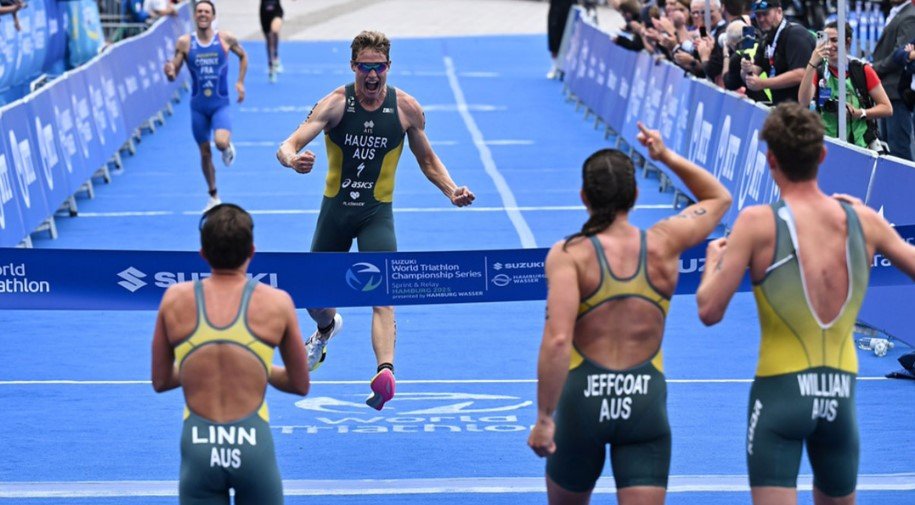
Australian triathlon isn’t just about clocking kilometres or collecting finisher medals. It’s about that sickening realisation at transition when you’ve forgotten your race belt, or when a bloke twice your age overtakes you on the bike leg whilst barely breaking a sweat. The sport has a way of humbling you that a casual gym session never will.
Builds Unshakeable Mental Resilience
Here’s what nobody tells you about triathlon. The hardest part isn’t the physical pain. It’s the mental bargaining that starts around the halfway mark of the run. Your brain becomes a dodgy salesperson trying to convince you that walking for a bit is perfectly reasonable. That maybe you’re coming down with something. That this race doesn’t really matter anyway.
Learning to recognise these thoughts as just noise changes everything. Not just in racing, but when your boss dumps an impossible deadline on your desk or your relationship hits a rough patch. You’ve already spent hours training your brain to keep moving when every fibre wants to stop. That’s not something you can learn from a podcast or a motivational Instagram post.
Creates Lasting Community Connections
Triathlon attracts a weird cross-section of society. There’s the corporate lawyer doing brick sessions at dawn before court. The shift worker who trains at odd hours because that’s when they’re free. The retired teacher finally pursuing something they always wanted to try. Nobody cares what you do for a living when you’re all shivering at the beach before a winter ocean swim.
These people see you at your worst. Vomiting after a hard interval session. Nearly crying because you can’t get your wetsuit off in transition. Complaining about chafing in places you’d never discuss with work colleagues. That vulnerability creates friendships that social media connections and work drinks never will.
Delivers Full-Body Fitness
Australian triathlon doesn’t let you hide your weaknesses. Gym-goers can skip leg day forever. Runners can ignore their upper body strength. Swimmers can pretend cardiovascular fitness doesn’t matter because they’re horizontal. Triathletes get exposed on race day when their neglected discipline destroys their overall time.
This forced honesty creates athletes who are genuinely useful in real life. They can help you move furniture without throwing their back out. They don’t get winded carrying groceries up stairs. Their body works as a complete unit rather than a collection of overdeveloped and underdeveloped parts.
Reduces Injury Risk
Single-sport athletes love talking about their injuries like war stories. Runners compare knee surgeries. Swimmers discuss rotator cuff problems. It’s almost a badge of honour. Triathletes get injured too, but there’s always another discipline to maintain fitness whilst something heals.
The real advantage shows up after years of training. Runners who never cross-trained end up with bodies that only work in one direction. Triathletes stay versatile. Their joints haven’t been hammered by repetitive stress. They can still move properly into older age because they never specialised themselves into a corner.
Boosts Confidence Dramatically
Finishing your first Australian triathlon gives you a reference point for hard that changes your internal calibration. Job interview stress? Nothing compared to wondering if you’ll drown in open water. Difficult conversation with a family member? Less scary than hitting the wall on the run leg with kilometres still to go.
This isn’t about becoming arrogant or dismissing other people’s struggles. It’s about having evidence that you can survive things that felt impossible beforehand. That evidence sits in your brain differently than secondhand advice or positive thinking exercises. You were there. You felt how hard it was. You finished anyway.
Improves Long-Term Health
Triathlon keeps you accountable in ways a doctor’s warning never will. You can ignore your GP telling you to exercise more. You can’t ignore a terrible race result because you spent winter eating pizza and skipping training. Race day is an honest mirror that shows exactly what your lifestyle choices produced.
The health improvements sneak up on you. Better sleep because you’re actually tired. Mental clarity because you’ve moved your body properly. Lower stress because you’ve learned to process anxiety through physical movement rather than letting it sit in your chest like a weight.
Provides Goal-Setting Framework
Each triathlon gives you concrete data about where you’re weak. Your swim split was terrible compared to everyone else. You got overtaken on every hill. Your transition took ages because you fumbled with your shoes. These aren’t vague feelings about needing improvement. They’re specific problems with specific solutions.
This creates a training approach that actually works. You’re not randomly doing exercises you saw online. You’re fixing identified weaknesses with measurable progress. The satisfaction of improving a specific skill beats the vague sense of “getting fitter” that most people chase without ever really achieving.
Conclusion
Australian triathlon strips away comfortable delusions about capability and replaces them with uncomfortable truth. The sport doesn’t care about your excuses or your intentions. It cares about what you actually did during training and how that shows up on race day. That honesty hurts sometimes, but it’s also what makes finishing so meaningful. You earned it through early mornings when staying in bed seemed more appealing, through training sessions that felt pointless until race day proved they weren’t.
